KSB
Честит Великден
С вяра и доброта в сърцата, здрави и силни, да строим за хората! инж. Илиян Терзиев Председател на УС на КСБ

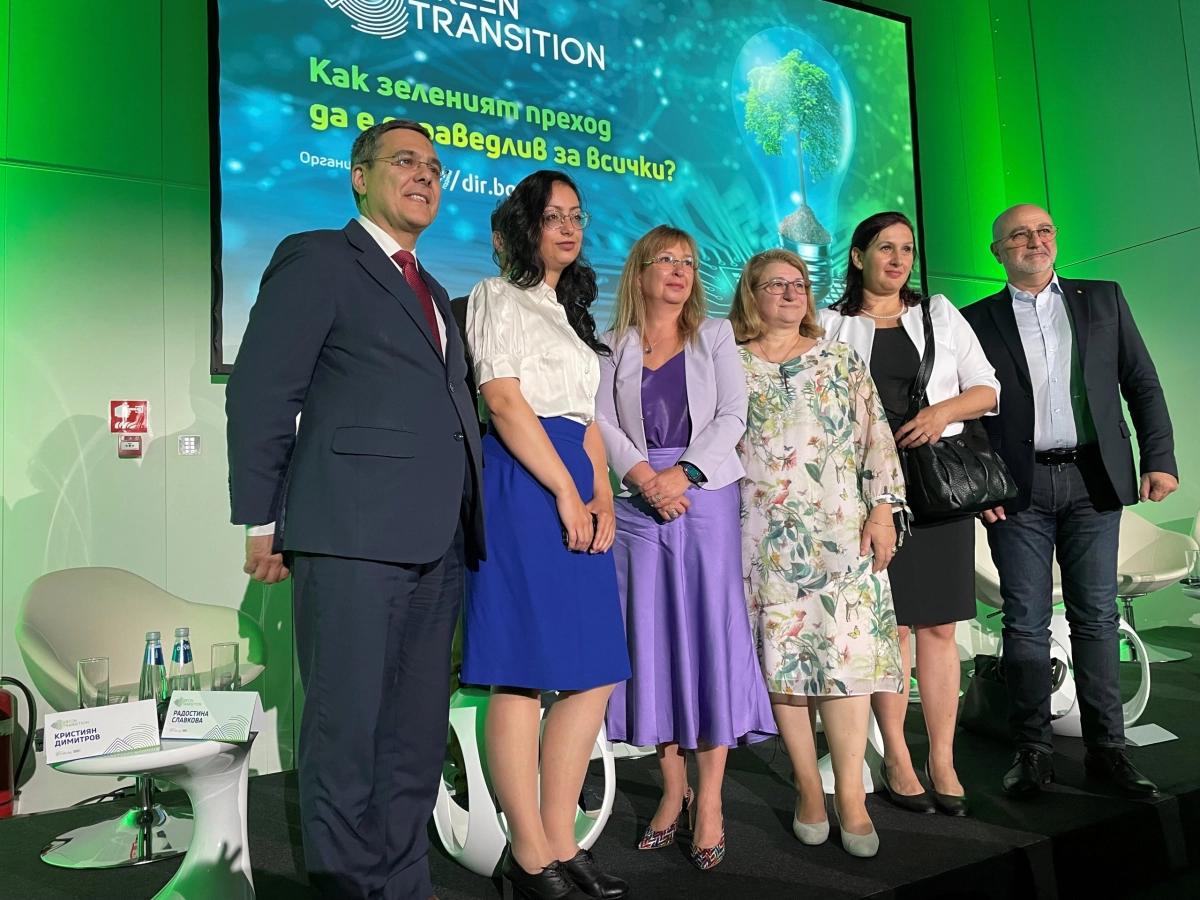
The energy-efficiency refurbishment of the housing stock should not be a one-off campaign, but an ongoing process. A special state fund could accumulate resources for the refurbishment of old buildings. Only 7 per cent of the floor area of occupied residential buildings in Bulgaria complies with modern energy efficiency requirements…
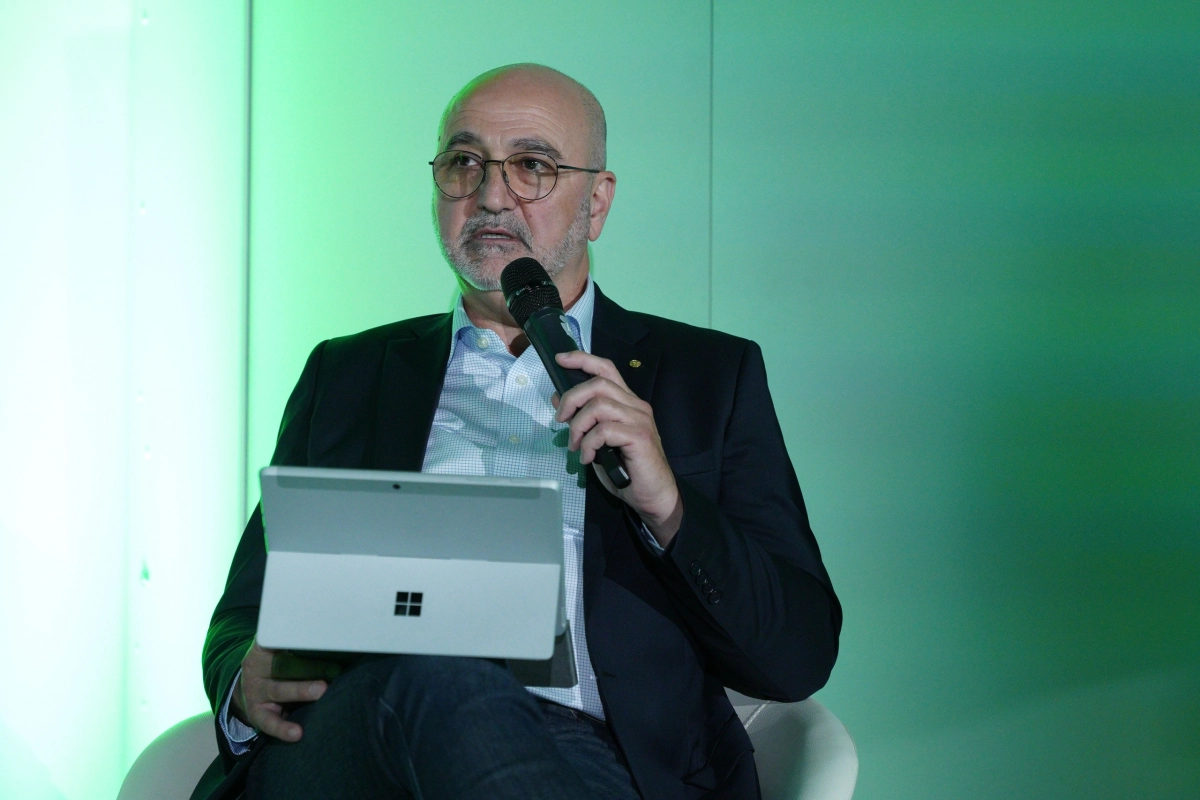
Only 7 per cent of the floor area of occupied residential buildings in Bulgaria complies with modern energy efficiency requirements. This includes buildings constructed after 2010 and those that have already been renovated. 90 per cent of the unrenovated housing stock has the poorest energy performance. This was announced during a discussion on the green transition by Mr Todor Andonov, a member of the Executive Bureau of the Bulgarian Chamber of Construction. He pointed out that buildings in the EU account for 40 per cent of energy consumption and 36 per cent of carbon emissions. To achieve the European Commission’s proposed target of reducing emissions by at least 55 per cent by 2030, the EU must reduce greenhouse gas emissions from buildings by 60 per cent, energy consumption by 14 per cent and heating and cooling costs by 18 per cent.
“Bulgaria needs to reverse the trend of falling behind. For this to happen, we need to mobilise energy, determination and resources. The green transition is often talked about as something that depends solely on politicians, on Brussels and on the government. That is not enough – we need to unite the efforts of many people and institutions, of our entire society,” said Mr Andonov. He added that one of the major problems for builders when implementing energy efficiency measures is their campaign-like nature – a renovation programme is announced, engineers, work crews, site managers, manufacturers, materials suppliers and so on are mobilised, the work is carried out, and then there is a lull lasting several years. During this time, the teams are disbanded, some go abroad, others retrain, and the engineers do the same. This absolutely must change – there is no way to achieve high-quality and sustainable results without predictability, said Mr Andonov.
In his view, a possible solution is not to rely solely on European funds. Instead, for example, a state fund could be established to pool resources from various sources, with these funds used exclusively for the energy renovation of residential buildings. This would make it an ongoing process. Alternatively, if the approach is to encourage citizen participation, a far-reaching reform is needed, following the example of Slovakia, for instance – where owners’ associations, as legal entities, collect a fixed monthly fee from all owners – regardless of whether they live in the property or not. This raises a sum which is used to maintain the common areas, including for refurbishment, with the state providing interest-free loans to cover a certain percentage of energy efficiency measures (40–60 per cent).
Mr Andonov noted that the huge interest in the National Energy Efficiency Programme and, currently, in the procedures under the National Recovery and Resilience Plan is entirely understandable. Citizens have come to recognise the benefits of renovation – reduced heating and cooling costs, an extended service life for buildings, increased property values and, last but not least, an improvement in the aesthetics of the urban environment.
Engineer Andonov highlighted another issue: the selection of construction contractors based on the ‘lowest price’ criterion, which, in future, is likely to lead to compromises on quality. In his view, it is also necessary to apply the Indexation Methodology, because from the survey of buildings and the determination of the cost of the measures, through the design and approval of projects, the tender procedures for selecting a contractor, the conclusion of contracts, right through to the construction works themselves, a long period of over one or two years elapses, and where inflation is present, this must be taken into account.
С вяра и доброта в сърцата, здрави и силни, да строим за хората! инж. Илиян Терзиев Председател на УС на КСБ

Управляващият орган на Оперативна програма „Иновации и конкурентоспособност“ 2014-2020 (УО на ОПИК) предвижда да обяви процедура за подбор на проекти „Подкрепа на микро- и малки предприятия за преодоляване на икономическите последствия от пандемията COVID-19“ Във връзка с възникнали въпроси от…
Процедура BG16RFOP002-2.073 „Подкрепа на микро и малки предприятия за преодоляване на икономическите последствия от пандемията COVID-19“ ще бъде активирана в ИСУН на 14.05.2020 г. и от 10:00 ч. ще могат да се подават проектни предложения. Крайният срок за подаване на документи е 15.06.2020, 16:30…
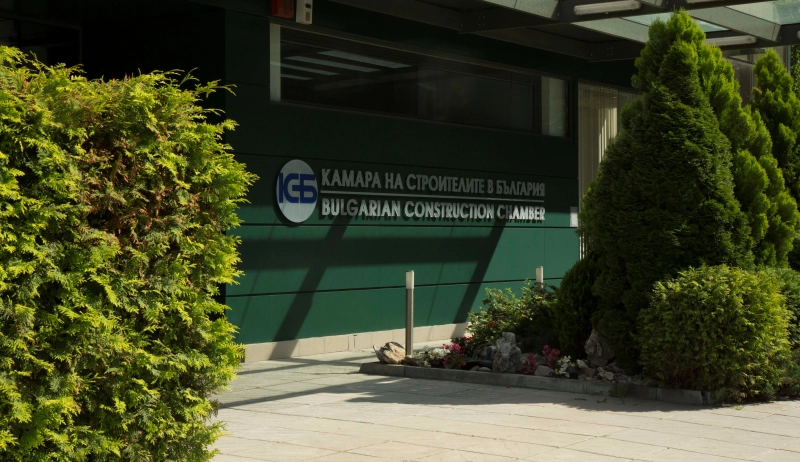
От 14.05.2020 г. на уеб сайта на КСБ се предоставя възможност компаниите, вписани в Централния професионален регистър на строителя (ЦПРС), да обменят информация, свързана с участия в проекти по различни оперативни програми; да публикуват обяви относно търсене и предлагане на работна сила…